
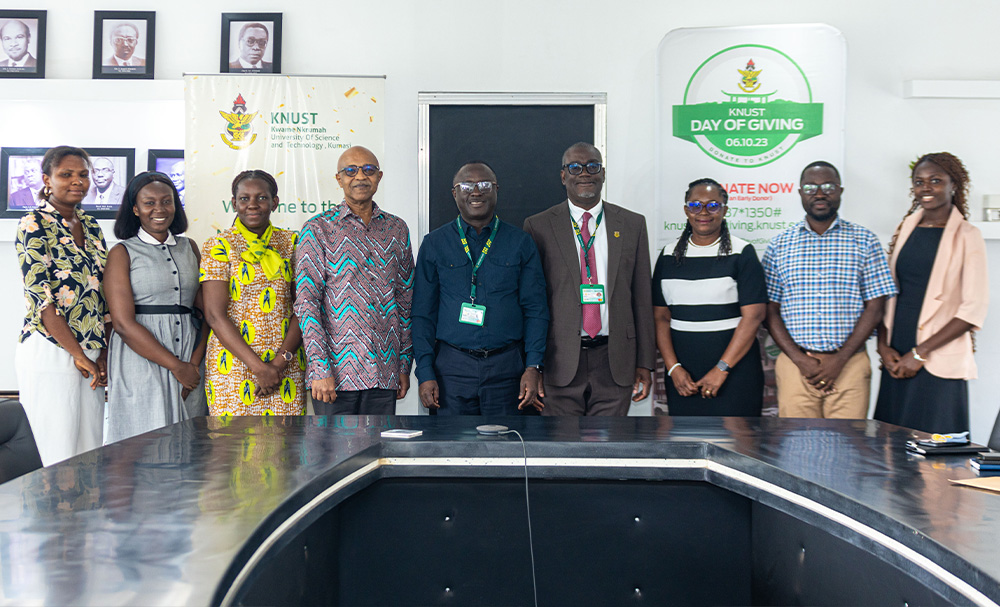
The Kwame Nkrumah University of Science and Technology, Kumasi (KNUST) and the United Nations Children’s Fund (UNICEF) have reaffirmed their commitment to advancing research, water sustainability and evidence-based national dialogue during a farewell visit by the UNICEF Representative to Ghana.
The visit provided a forum for both institutions to reflect on years of collaboration in water, sanitation and hygiene (WASH), public health research and community development, while exploring new areas of partnership aimed at addressing national development challenges.
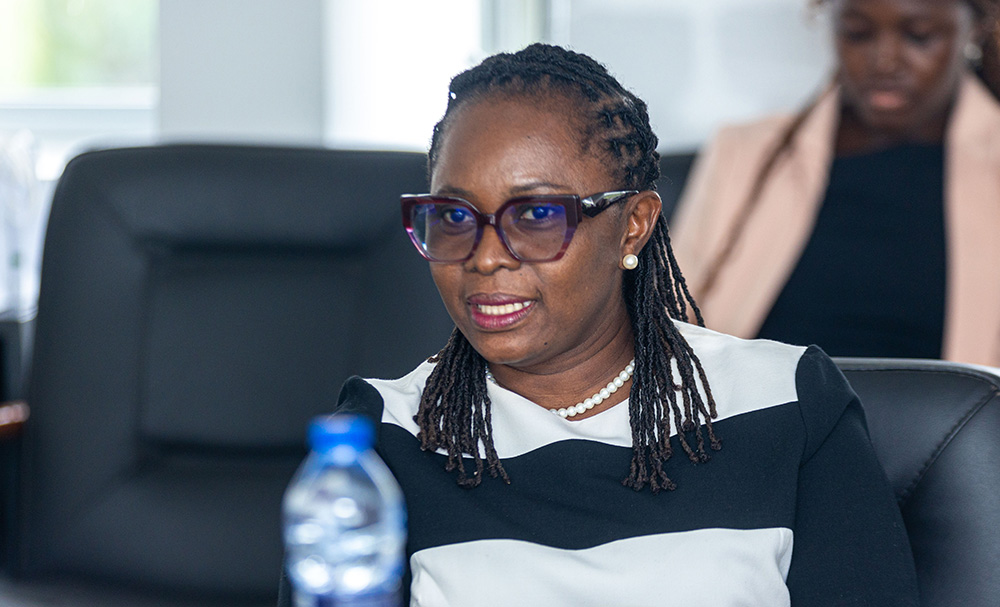
The Vice-Dean of the International Programmes Office (IPO), Prof. (Mrs.) Augustina Angelina Sylverken, described the occasion as both a farewell and an opportunity to reflect on the fruitful collaboration between KNUST and UNICEF.
She noted that UNICEF and KNUST had worked closely on several impactful initiatives, particularly in WASH-related research and interventions focused on children and vulnerable populations.
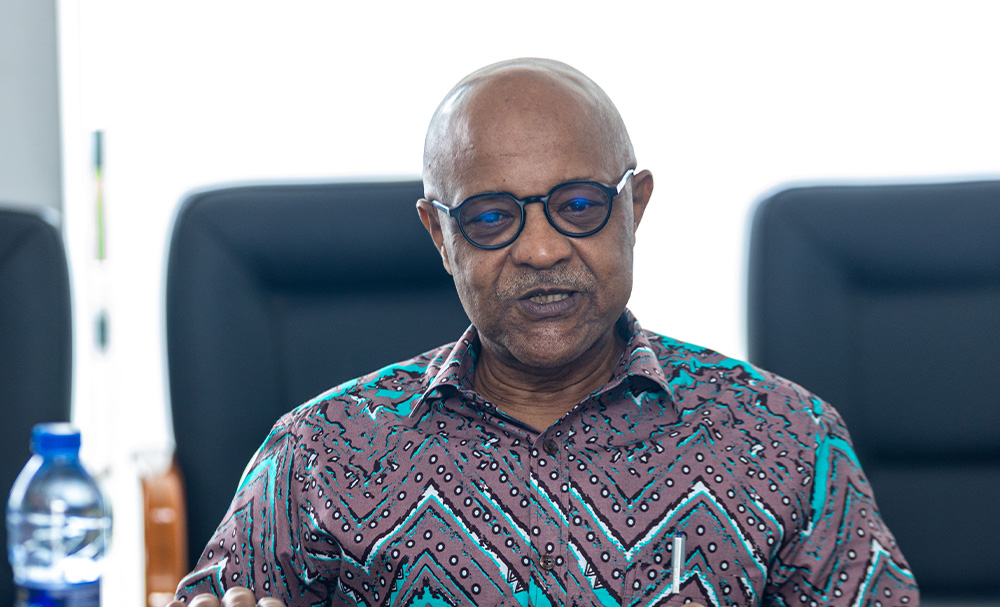
UNICEF Representative to Ghana, Mr. Osama Makkawi Khogali, expressed pride in the partnership KNUST and UNICEF had built over the years, commending KNUST for innovations such as the university’s water ATM initiative and called for greater visibility and public engagement around the university’s research outputs.
Mr. Khogali particularly referenced an ongoing KNUST-UNICEF study on sachet water consumption in Ghana, describing it as a critical intervention for environmental sustainability and public water investment.
“I think that study is a very critical one, and it can be a game changer on the way we invest our resources,” he said.
Mr. Khogali also proposed a broader collaboration between UNICEF and KNUST to facilitate dialogue between traditional leadership and scientific institutions on critical social and cultural issues affecting children and communities.
He further expressed confidence in the university’s potential to influence national and continental development.
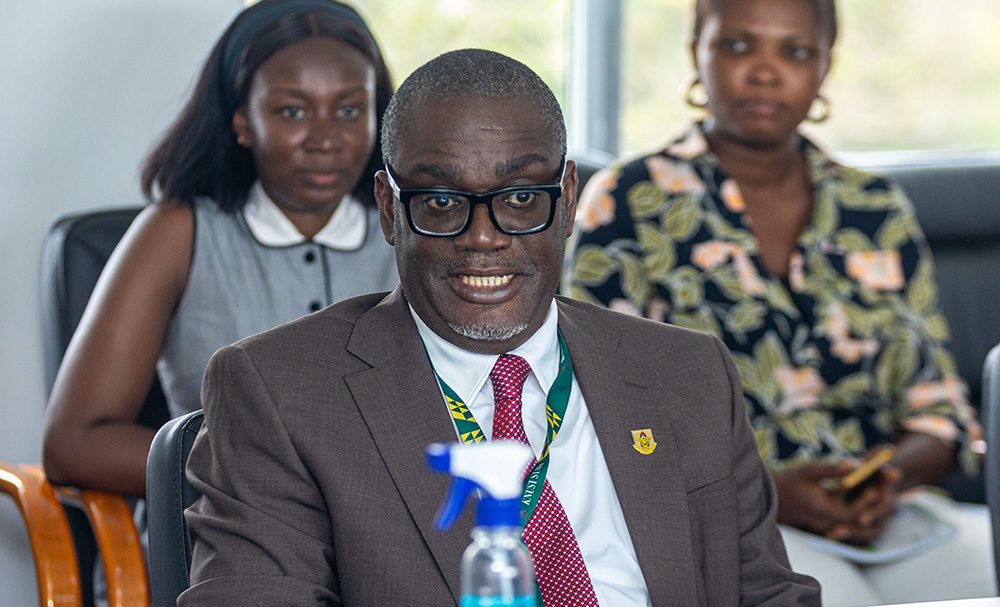
The Provost of the College of Engineering, Prof. Kwabena Biritwum Nyarko, highlighted the impact of the sachet water study, explaining that the research had already produced several publications and policy briefs. He indicated that the study revealed that sachet water usage costs households between four and fifteen times more than access to public water supply systems when environmental and hidden costs are considered.
“The plastics create enormous environmental problems, and we have quantified those costs,” he said. “It makes sense for public investment to focus on improving public water supply systems.”
Prof. Biritwum Nyarko added that KNUST’s independence as an academic institution gives it the credibility and freedom to place critical national issues into the public domain for discussion and accountability.

The Pro Vice-Chancellor of KNUST, Prof. David Asamoah, expressed appreciation to UNICEF for its sustained collaboration with the university. He assured the UNICEF Representative that KNUST would continue to champion evidence-based discussions on national development issues.
“We need to hold hands with partners like UNICEF to fulfil our mandate,” he said. “The challenges you have identified are issues we must bring into public conversation for the benefit of society.”
Prof. Asamoah also pledged to communicate the concerns raised during the meeting to the university leadership and explore broader interdisciplinary collaborations beyond engineering.


